
Iran’s Cycle of Protest and Repression: From the 1979 Revolution to the 2025–2026 Uprising
Since the 1979 Islamic Revolution, Iran has faced repeated waves of protest driven by economic hardship, political repression, and demands for women’s rights. Each movement has been met with an increasingly sophisticated and violent state response, culminating in the harsh crackdowns seen during the 2025–2026 unrest.
Emmanuel Makome
1/30/20262 min read
A Pattern Set After the 1979 Revolution
Public dissent in post-revolutionary Iran began almost immediately. In 1979, women marched in Tehran against the imposition of mandatory hijab laws, signaling early resistance to clerical rule. While these protests were suppressed, they set a precedent: economic grievances, social freedoms, and political legitimacy would repeatedly bring Iranians into the streets.
Over the decades, protests have grown larger and more coordinated, while the state’s response has evolved into a layered system of repression designed to crush dissent quickly and decisively.
Key Protest Movements Over the Decades
Student Protests of 1999
In July 1999, student-led demonstrations erupted after the closure of a reformist newspaper. Security forces, including police and Basij militias, raided university dormitories, killing several students and arresting more than 1,400 people. The crackdown marked a turning point, showing the regime’s willingness to use lethal force against organized political dissent.
The 2009 Green Movement
The disputed re-election of President Mahmoud Ahmadinejad sparked the largest protests since the revolution. Millions of Iranians poured into the streets chanting “Where is my vote?” The regime responded by deploying Basij militias and security forces armed with batons, tear gas, and live ammunition. Numerous protesters were killed, and thousands were detained, effectively ending the movement through force.
Economic Protests, 2017–2019
Rising prices, unemployment, and fuel hikes triggered widespread demonstrations across more than 100 cities. Unlike earlier movements, these protests were driven largely by economic desperation rather than elite politics. The state imposed internet blackouts, blocked platforms like Telegram, and used live fire during nationwide shutdowns. Hundreds were killed, according to human rights groups.
The 2022 Mahsa Amini Protests
The death of Mahsa Amini in morality police custody ignited protests centered on women’s rights and personal freedoms. Demonstrations spread nationwide, with chants openly challenging Supreme Leader Ali Khamenei. The response included mass arrests, executions of protesters, and severe internet restrictions, reinforcing fear as a tool of control.
The Regime’s Suppression Tactics
Iran’s authorities rely on a multi-tiered system of repression:
Street-Level Violence: Police, Basij militias, and IRGC units use tear gas, metal-pellet shotguns, and live ammunition, often aiming at heads and torsos to cause maximum harm.
Digital Control: Nationwide internet shutdowns, surveillance technology, and facial recognition systems—some reportedly sourced from China—are used to identify and track protesters.
Targeted Intimidation: Night raids, informant networks, and pressure on families are employed to dismantle protest leadership.
Judicial Terror: Thousands face detention, torture, forced confessions, and executions, creating a climate of fear meant to deter future unrest.
The 2025–2026 Protests: The Harshest Crackdown Yet
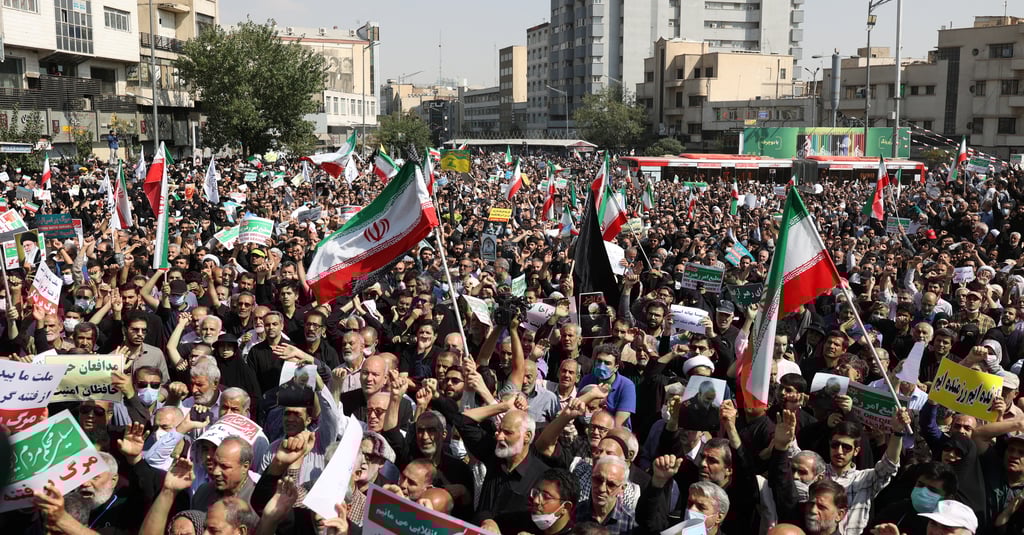
The most recent wave of unrest began on 28 December 2025, triggered by a collapsing currency and soaring food prices, first erupting in Tehran’s bazaars. By January 2026, protests had spread nationwide, with millions reportedly participating and chants directly calling for the overthrow of the Islamic Republic. Exiled opposition figures, including Reza Pahlavi, amplified calls for regime change.
The state’s response was unprecedented in scale. Security forces reportedly used mass live fire, imposed nationwide blackouts and curfews, and carried out more than 10,000 arrests. Some reports claim tens of thousands may have been killed, though independent verification remains difficult due to media blackouts and restricted access.
An Unbroken Cycle
From 1979 to today, Iran’s history has been marked by a recurring cycle: public protest followed by overwhelming repression. While each crackdown has restored short-term control, none have resolved the underlying causes—economic hardship, political exclusion, and demands for personal freedom.
The 2025–2026 protests suggest that dissent in Iran has not been extinguished, only suppressed, raising questions about how long the current model of governance can withstand mounting internal pressure.
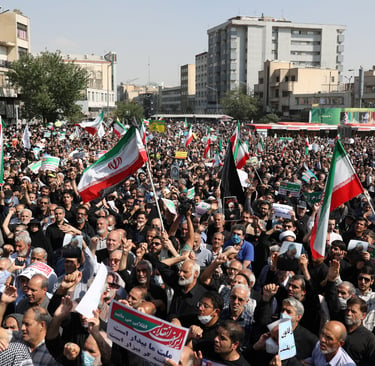
Photo: WANA (West Asia News Agency) via REUTERS
MORE NEWS
© 2026. Ke Press Global. A Ke Harbor Company. All rights reserved.
FOLLOW KE PRESS GLOBAL ON :
Contact us